
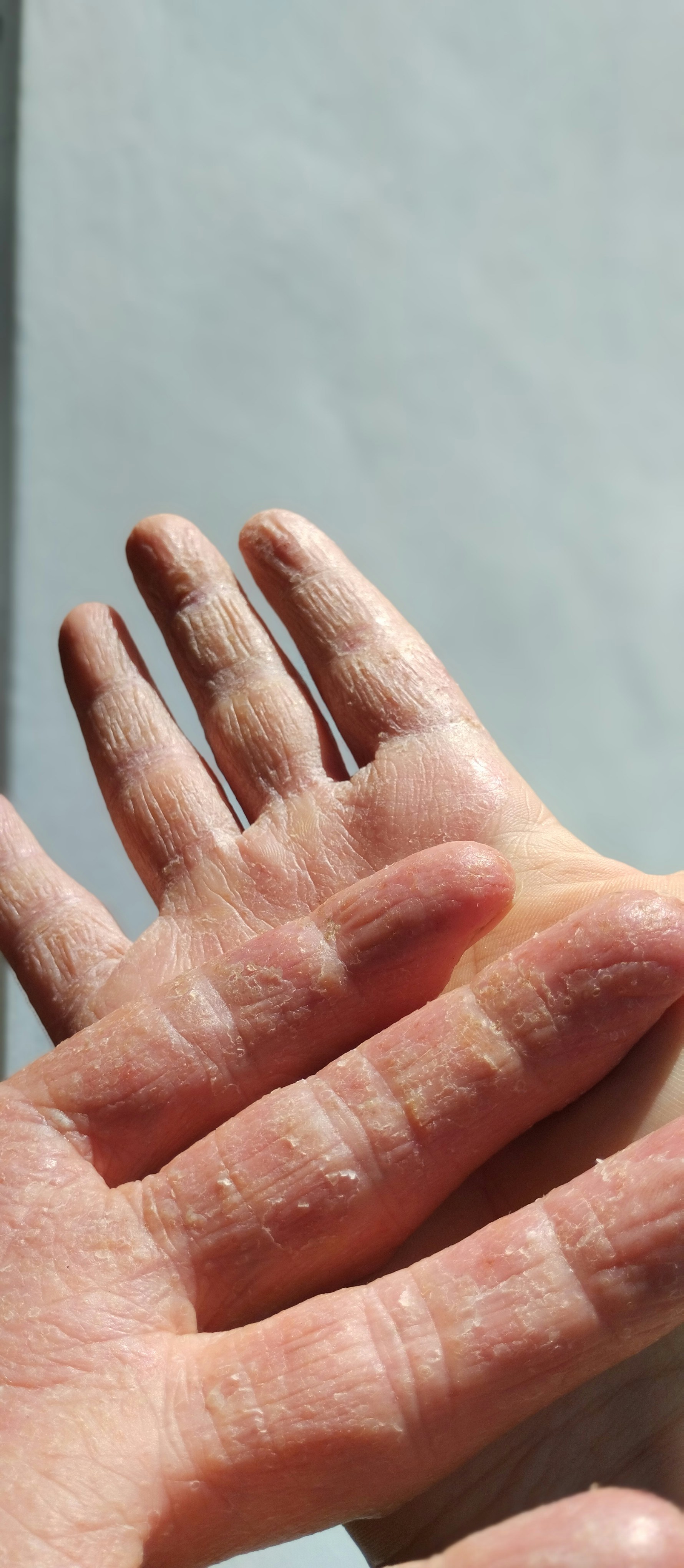
Introduction to Dermatitis
Dermatitis is a general term describing inflammation of the skin, which can manifest in various forms. This common condition is characterised by symptoms such as redness, swelling, and itching, which can range from mild to severe. The condition can affect individuals of all ages and can arise from numerous causes, including allergic reactions, irritants, and underlying health issues.
There are several types of dermatitis, each differing in origin and symptoms. One of the most prevalent forms is atopic dermatitis, often associated with allergies and asthma, primarily affecting children but can persist into adulthood. Contact dermatitis, another common type, occurs when the skin comes into direct contact with allergens or irritants, leading to localised reactions. Additionally, seborrheic dermatitis typically affects oily areas of the skin, such as the scalp and face, presenting as red, scaly patches.
Actinic dermatitis, associated with sun exposure, and lichenification dermatitis, characterised by thickened, leathery skin, represent two specific forms of dermatitis that will be compared in this article. Understanding dermatitis requires knowledge of both intrinsic and extrinsic factors contributing to skin inflammation. Intrinsic factors include genetic predisposition and immune system responses, while extrinsic factors encompass environmental influences such as allergens, irritants, and UV radiation.
Addressing dermatitis effectively involves identifying the type and its triggers, which plays a crucial role in managing symptoms and enhancing the quality of life for those affected. With a growing understanding of dermatitis, healthcare providers can better aid patients in navigating their dermatological challenges and implementing effective treatment strategies.
Understanding Lichenification Dermatitis
Lichenification dermatitis is a specific type of skin irritation characterised by thickened and leathery patches that develop as a response to prolonged scratching or rubbing of the skin. This condition arises when the skin undergoes a chronic inflammatory process, often due to underlying allergic reactions, eczema, or irritants.
The primary cause of lichenification dermatitis is the repetitive mechanical trauma to the skin, whether initiated by itching or sustained friction. Common triggers include eczema flares, various allergens, and irritants that provoke inflammation. Individuals who suffer from atopic dermatitis or have sensitive skin are at a higher risk for developing lichenification.
The symptoms of lichenification dermatitis include thickened skin, heightened pigmentation, and distinctive lines or markings that resemble the texture of tree bark. These areas of skin often appear darker or redder compared to the surrounding skin and may be accompanied by increased dryness and flaking.
Risk factors for lichenification dermatitis extend beyond the mechanical stimulus and include genetic predispositions, environmental factors, and other underlying skin conditions. Stress can also exacerbate the condition, as emotional stressors often lead to increased scratching as a coping mechanism.
Lichenification can be prevalent in areas of the body where the skin folds or rubs against itself—such as the nape of the neck, the inner elbows, and the backs of the knees—creating an environment that is conducive to the development of thickened skin. Treatment for lichenification dermatitis focuses on alleviating the underlying causes, managing itching, and preventing further skin damage through moisturizers, topical steroids, or antihistamines.
What is Actinic Dermatitis?
Actinic dermatitis, often referred to as actinic keratosis, is a skin disorder that arises as a result of chronic exposure to ultraviolet (UV) light. This condition primarily manifests itself in areas of the skin that are frequently exposed to sunlight, such as the face, ears, neck, scalp, chest, backs of the hands, and arms. It presents as dry, scaly patches or lesions that may vary in color, typically ranging from pink to brown. These skin changes can sometimes become raised, rough, or crusty, which signifies damage to the skin’s surface.
One of the principal causes of actinic dermatitis is the cumulative effect of solar exposure. Prolonged exposure to UV radiation, either from the sun or artificial sources like tanning beds, plays a significant role in the development of this condition. The skin’s response to this damage entails a series of inflammatory and reparative processes, whereby keratinocytes (skin cells) exhibit signs of abnormal growth or thickening, leading to the characteristic lesions.
The symptoms of actinic dermatitis can include dryness, itching, burning, and tenderness in the affected areas. Additionally, individuals may observe spots that feel rough or scaly and that may flake or bleed upon irritation. Over time, these lesions can also lead to more severe skin issues, including squamous cell carcinoma (SCC), one of the most common skin cancers. Factors that increase the risk of developing actinic dermatitis include fair skin, a history of sunburn, advanced age, and a compromised immune system. Therefore, preventive measures such as regular use of sunscreen, wearing protective clothing, and minimizing sun exposure are crucial for at-risk individuals.
Key Differences Between Lichenification and Actinic Dermatitis
Lichenification and actinic dermatitis represent two distinct dermatological conditions that, despite some superficial similarities, arise from different causes and present unique symptoms. Understanding these differences is essential for appropriate management and treatment.
Lichenification refers to the thickening and hardening of the skin that occurs as a result of chronic inflammation, often from conditions such as eczema or prolonged scratching. This process leads to distinctively thickened, leathery skin, most commonly found in areas subject to friction, such as flexural surfaces. In contrast, actinic dermatitis, commonly known as actinic keratosis, is a condition triggered by prolonged exposure to ultraviolet (UV) radiation. This type of dermatitis frequently appears as rough, scaly patches on sun-exposed areas of the skin, like the face, ears, and hands.
When it comes to demographics, lichenification is more prevalent in individuals with a history of eczema, which can affect people of all ages. On the other hand, actinic dermatitis predominantly affects older adults who have accumulated UV exposure over the years. Symptoms of lichenification include persistent itching, redness, and thickened skin, while actinic dermatitis is characterised by rough, dry patches that may be itchy or sensitive to touch.
Visually, lichenification typically appears as more textured and darker patches, whereas actinic dermatitis presents as lighter, scaly areas. For a clearer understanding, utilizing visual aids such as comparative imagery can help differentiate these two conditions effectively. By recognizing these distinctions, individuals can better advocate for their skin health and seek appropriate treatment options.
Similarities Between Lichenification and Actinic Dermatitis
Lichenification and actinic dermatitis, though distinct in their etiology and presentation, share notable similarities that underline their significance in dermatological health. Both conditions are characterized by an inflammatory process that can lead to significant discomfort for the affected individuals. This inflammation may manifest as redness, swelling, and a distinct alteration in skin texture, a common aspect of both dermatitis types.
One of the primary similarities lies in their chronic nature. Both lichenification and actinic dermatitis can persist over time, often necessitating ongoing management to alleviate symptoms and prevent exacerbation. Prolonged exposure to irritants or allergens can trigger or worsen these skin conditions, thereby highlighting the importance of identifying and addressing underlying factors. Careful monitoring and treatment can significantly impact the overall skin health of individuals affected by either condition.
Furthermore, both dermatitis types can lead to secondary complications if not properly managed. For instance, the persistent scratching and rubbing associated with lichenification often result in skill thickening, while actinic dermatitis, particularly linked to sun exposure, can elevate the risk of developing more severe skin conditions, including skin cancer. Therefore, education about prevention and management techniques is crucial for patients suffering from both conditions.
In conclusion, recognising these similarities provides a more comprehensive understanding of skin health and the implications of untreated inflammatory skin conditions. Enhanced awareness can promote better therapeutic strategies and preventative measures, ultimately improving outcomes for those affected by lichenification and actinic dermatitis.
Diagnosis of Lichenification and Actinic Dermatitis
Diagnosing lichenification and actinic dermatitis involves a systematic approach by dermatologists to ensure accuracy and proper differentiation between these two skin conditions. Initially, a comprehensive patient history is taken to understand the onset, duration, and progression of symptoms. Dermatologists often inquire about potential triggers, previous skin conditions, and any known allergies, as these factors can influence the diagnosis.
During the physical examination, the dermatologist examines the skin’s appearance to identify specific characteristics associated with lichenification and actinic dermatitis. Lichenification typically presents as thickened, leathery skin resulting from chronic scratching or irritation. In contrast, actinic dermatitis manifests primarily as patches of dry, scaly skin that are often sun-exposed. The distribution of lesions can also aid in distinguishing between the two; lichenification may appear in areas of friction while actinic dermatitis is commonly found on chronically sun-exposed sites.
Additionally, dermatologists may perform a dermatoscopy to evaluate skin lesions more closely. This tool enhances the visualisation of skin structures, which can assist in identification. Also, a patch test may be performed to identify any allergens contributing to actinic dermatitis. It is crucial to differentiate between these two conditions as their management strategies differ significantly. For instance, treatment for lichenification typically involves addressing the underlying itch-scratch cycle, while actinic dermatitis management focuses on skincare and sun protection.
In some cases, a biopsy may be recommended to evaluate skin cells more carefully. Histopathological examination can provide insights that further confirm the diagnosis, allowing dermatologists to tailor an appropriate treatment plan. Proper diagnosis is essential to ensure effective intervention and to alleviate patient distress associated with these skin disorders.
Treatment Options
Treatment modalities for lichenification dermatitis and actinic dermatitis vary significantly, tailored to the severity and characteristics of each condition. Both disorders necessitate a comprehensive approach that includes topical therapies, lifestyle adjustments, and preventive measures to alleviate symptoms and minimize flare-ups.
For lichenification dermatitis, which often arises from chronic scratching or rubbing of the skin, topical corticosteroids are frequently prescribed to reduce inflammation and itchiness. These corticosteroids help in reversing the thickened skin characteristic of lichenification. In more severe cases, stronger topical medications or even systemic therapies may be necessary. Additionally, emollients play a crucial role in maintaining skin hydration, which is essential in managing this condition. Patients are advised to avoid irritants and other triggers that might exacerbate their dermatitis.
Conversely, actinic dermatitis treatment focuses on mitigating the effects of sun exposure. The primary line of defense includes the use of broad-spectrum sunscreen to protect the skin from further UV damage. Topical agents such as calcineurin inhibitors and retinoids can be employed to reduce inflammation and promote skin healing. Should the dermatitis persist or worsen, phototherapy may be an effective treatment option, utilizing controlled exposure to UV light to reduce symptoms.
Lifestyle changes are paramount in managing both types of dermatitis. Patients are encouraged to identify and avoid triggers, such as allergens or specific irritants. Regular moisturising can significantly enhance skin barrier function, aiding in the recovery from both conditions. Furthermore, education on proper skin care practices and protection strategies is vital. By implementing these treatment options, individuals can effectively manage lichenification dermatitis and actinic dermatitis, improving their overall quality of life.
Preventive Measures for Dermatitis
Preventing dermatitis, whether it be lichenification or actinic dermatitis, is essential for maintaining skin health and preventing flare-ups. Key preventive measures can be categorized into skin care routines, lifestyle choices, and environmental adjustments.
Skin Care Routines: Implementing a consistent skin care routine is crucial. For both types of dermatitis, it is important to keep the skin moisturized. Using emollient-rich creams or ointments can help retain moisture, especially in areas prone to lichenification caused by chronic scratching and rubbing. Additionally, for actinic dermatitis, broad-spectrum sunscreens with an SPF of 30 or higher should be applied regularly, even on cloudy days, to protect against harmful UV rays that can exacerbate symptoms.
Lifestyle Tips: Lifestyle changes can significantly impact dermatitis prevention. Maintaining a balanced diet rich in antioxidants can help bolster skin health. Foods high in vitamins A, C, and E, as well as omega-3 fatty acids, are beneficial. Stress management techniques such as mindfulness, meditation, or yoga can reduce the inflammatory response, which may help prevent flare-ups. Additionally, avoiding known triggers, such as irritating fabrics, harsh soaps, and extreme temperatures, is essential for those with both lichenification and actinic dermatitis.
Environmental Adjustments: Lastly, modifying one’s environment can also mitigate the risk of developing dermatitis. For individuals susceptible to lichenification, it is advisable to keep living spaces humidified to avoid dryness. Conversely, those prone to actinic dermatitis should limit sun exposure, particularly during peak hours, and wear protective clothing when outdoors. Utilizing air conditioning or fans can reduce sweat and humidity levels, further preventing irritation.
Conclusion and Final Thoughts
In conclusion, both lichenification dermatitis and actinic dermatitis are distinct dermatological conditions that require careful consideration and understanding. Lichenification dermatitis is characterised by the thickening of the skin due to prolonged irritation or scratching, often resulting from chronic eczema. On the other hand, actinic dermatitis is primarily a reaction to sun exposure, leading to skin changes such as redness and scaling on sun-exposed areas. Recognising the differences between these two types of dermatitis is crucial for effective diagnosis and treatment.
Understanding the symptoms and causes of lichenification and actinic dermatitis can help individuals identify their skin concerns more accurately. It is important to note that while lifestyle adjustments, such as moisturizing regularly and protecting the skin from the sun, may alleviate some symptoms, seeking professional medical advice is essential for a personalized treatment plan. Dermatologists can provide insights on not just the conditions, but also recommend suitable topical treatments and preventive measures.
For anyone experiencing symptoms of lichenification dermatitis or actinic dermatitis, it is strongly advised to consult a healthcare professional. Early diagnosis and intervention can lead to better outcomes, minimizing discomfort and preventing potential complications. Overall, being well-informed about both conditions empowers individuals to take proactive steps towards their skin health, ensuring long-term well-being.

