
The Journey from Head to Heart: Understanding the Process
In the realm of spiritual growth, the shift from mere intellectual knowledge of God’s word to a heartfelt understanding represents a profound journey for many believers. This transition is essential for cultivating a deeper and more intimate relationship with God. Intellectual knowledge, while valuable, often remains an abstract concept, devoid of personal significance until it is integrated into the heart and lived out in daily experience.
The Scriptures offer insights into this transformative process. For instance, in the book of James, we are reminded that faith without action is dead (James 2:26). This serves as a prompt for believers to not only understand God’s teachings but to embody them. When individuals begin to internalize these truths, their faith shifts from theoretical comprehension to a dynamic, living experience. This shift deepens their trust in God’s promises and cultivates a more profound sense of connection with Him.
Anecdotes from believers often illustrate this journey. Many recount moments when a passage of scripture suddenly resonated, challenging their perspectives and compelling them to respond in ways they had never considered. These personal testimonies highlight the emotional and spiritual awakening that occurs when knowledge transforms into a heartfelt conviction.
The process involves a combination of reflection, prayer, and sometimes even struggle. As believers wrestle with God’s word, they find themselves at a crossroads where their understanding must align with their experience. It is often through trials and tests of faith that individuals are driven to seek a more authentic engagement with God, encouraging them to move beyond the confines of their intellect.
In conclusion, the journey from head to heart is a vital aspect of spiritual maturity. It not only enriches an individual’s faith but also reinforces the communal aspects of belief, as heartfelt understanding inspires believers to share their experiences and encourage one another in their walks with God.
The Impact of Knowledge on Character and Lifestyle
The relationship between the knowledge of God’s word and the character and behavior of believers is profound. Understanding scripture goes beyond mere memorization; it fundamentally influences how individuals conduct their lives and interact with others. This section aims to explore the various ways in which a deep understanding of biblical teachings shapes a believer’s character and lifestyle.
At a basic level, surface-level understanding of God’s word can lead to superficial faith. This type of knowledge may result in a disconnect between what is taught in scripture and how it is applied in daily life. For example, knowing the Ten Commandments but failing to embody them in personal ethics can reflect a lack of internalization. Conversely, a deeper engagement with scripture often translates into real-world applications, guiding believers in making ethical decisions and fostering integrity.
Furthermore, knowledge of God’s teachings can inspire virtues such as compassion, patience, and humility. Believers who actively study and reflect on biblical principles often find themselves motivated to express these values in their interactions. For instance, understanding Jesus’ teachings on love and forgiveness can lead one to act kindly toward others, even in challenging situations. This is where the transformative power of scripture becomes evident, as it encourages believers to pursue actions that reflect their faith.
Moreover, deep knowledge can lead to a greater sense of purpose and resilience. When believers ground their lives in the word of God, they develop a framework for navigating life’s challenges. This perspective can alter how they respond to adversity, fostering a strength that is rooted in the understanding of God’s promises. In essence, the absorbing of scriptural knowledge equips individuals with the tools to lead lives marked by faith, purpose, and authenticity.
In conclusion, the impact of knowledge on a believer’s character and lifestyle cannot be overstated. A profound understanding of God’s word encourages a transformation that is both internal and external, guiding ethical behavior and fostering strong character traits that resonate in all aspects of life.
Head Knowledge vs. Heart Depth: A Believer’s Struggle
In the journey of faith, many believers encounter a significant challenge: the disparity between head knowledge and genuine heart depth. While acquiring knowledge about religious teachings and scriptures is vital, it often fails to translate into a deeper, more meaningful relationship with God. This struggle is particularly prominent in a world filled with information, where the emphasis is frequently placed on understanding doctrines rather than nurturing an authentic spiritual life.
Superficial knowledge can lead to a mere intellectual assent to faith rather than a heartfelt conviction. Believers may possess an extensive understanding of biblical principles, yet they may lack the ability to apply these truths to their daily lives. This disconnect can create a barrier that hinders personal spiritual growth, leading to a religious experience that feels hollow or unfulfilling.
The implications of this lack of depth are profound. When faith is based solely on intellectual knowledge, it often results in a weak spiritual foundation. Believers may find themselves ill-equipped to confront life’s challenges or to penetrate the deeper issues of the heart. True faith requires more than awareness; it demands engagement and an active relationship with God. Without this vital connection, believers may struggle to experience the transformative power of faith in their lives.
Furthermore, relying solely on head knowledge may cultivate a sense of pride or self-righteousness, as individuals may measure their spirituality against their understanding of doctrine rather than their obedience to God’s teachings. This can foster a judgmental attitude towards others and a failure to recognize one’s own spiritual deficiencies.
In essence, the journey from head knowledge to heartfelt faith necessitates a commitment to deepen one’s spiritual practices. This transformation is imperative for fostering a resilient faith that can withstand the trials of life and cultivate a profound sense of connection with God.
Exploring Galatians: Life of the Flesh vs. Fruit of the Spirit
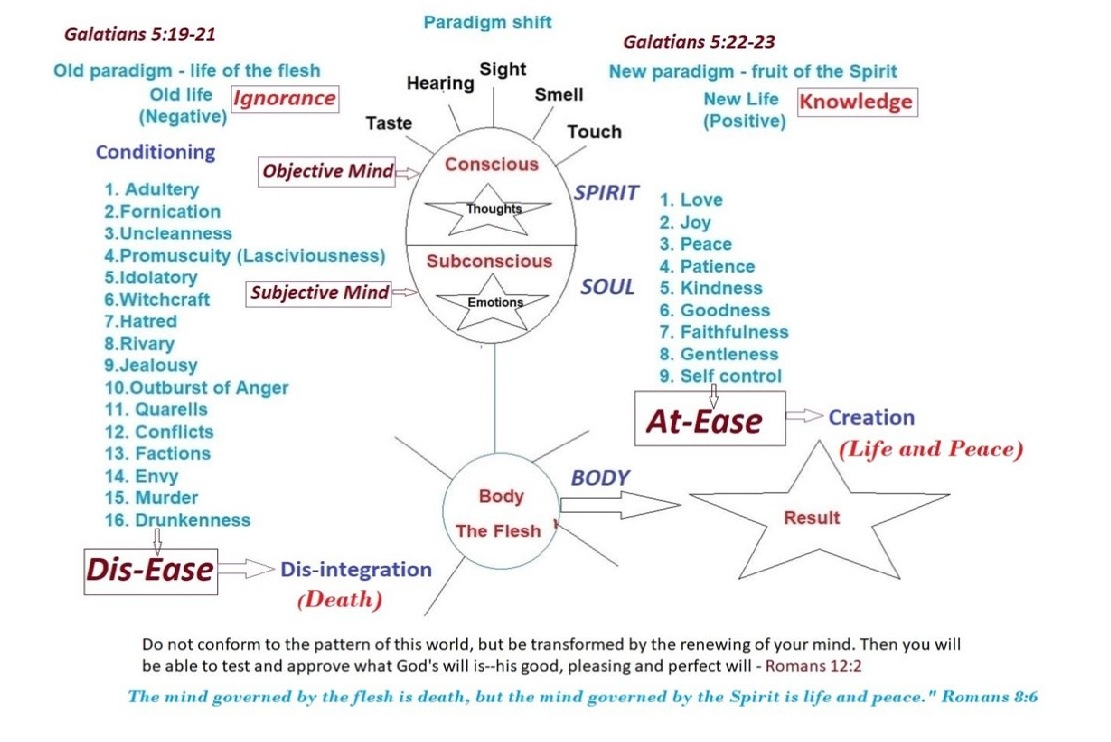
The Epistle to the Galatians, particularly in chapters 5:19-23, provides a profound exploration of the contrast between living a life led by the flesh and the manifestation of the fruit of the Spirit. In verses 19-21, the Apostle Paul delineates the characteristics associated with the life of the flesh. These include behaviors such as immorality, impurity, idolatry, and various forms of discontent and conflict, suggesting that such deeds are evident markers of a life disconnected from the divine purpose.
In stark contrast, Galatians 5:22-23 introduces the concept of the fruit of the Spirit. Paul highlights attributes such as love, joy, peace, patience, kindness, goodness, faithfulness, gentleness, and self-control. These qualities reflect not merely personal virtues but serve as expressions of a life infused with spiritual truths and divine guidance. The cultivation of these traits requires a conscious commitment to align one’s actions and decisions with God’s principles, emphasizing the transformative power of faith.
The knowledge of God’s principles acts as a compass for believers, steering them toward spiritual growth. This understanding enables individuals to discern and reject the behaviors that characterize the life of the flesh, fostering an environment for the fruit of the Spirit to flourish. By developing a deep, heartfelt faith, believers can gradually embody these spiritual qualities, reflecting the character of Christ in their interactions with others.
As individuals engage deeply with the teachings outlined in Galatians, they are encouraged to reflect on their own lives. This reflection aids in identifying areas that align with the life of the flesh and those that resonate with the fruit of the Spirit. Through this process, believers not only grow in knowledge but also in their heartfelt expression of faith, redefining their personal journeys as they draw closer to God’s heart.
Paul’s Call to Transformation: Romans 12:1-2
The Apostle Paul, in his epistle to the Romans, presents a compelling exhortation found in Romans 12:1-2. In these verses, he calls for profound personal transformation and the renewal of the mind, emphasizing that such a change is essential for aligning one’s life with God’s will. This transformation begins with presenting oneself as a living sacrifice, which is described as holy and pleasing to God. Through this sacrificial offering, believers are invited to engage fully with their faith, moving beyond mere rituals to embody the principles of Scripture in their daily lives.
Paul further emphasizes the necessity of not conforming to the patterns of this world. He encourages individuals to undergo a complete transformation that stems from a renewed mind. This notion of renewing the mind is crucial; it signifies a deliberate shift in perceptive understanding and worldview. By downloading God’s word into one’s heart, as Paul suggests, believers can internalize divine truths that reshape their thoughts and behaviors, allowing them to discern what is good and acceptable to God.
The transformative power of Scripture plays a pivotal role in this process. When individuals immerse themselves in biblical teachings, they equip themselves to confront the challenges and temptations of the world. Romans 12:1-2 serves to remind believers of their calling to move beyond superficial changes and strive for a deep-rooted transformation that encapsulates body, mind, and spirit. Ultimately, this scriptural exhortation illustrates how individuals can cultivate heartfelt faith through an ongoing process of renewal and the integration of God’s word into their very being.
Strategies for Downloading God’s Word to the Heart
Internalizing God’s Word is a transformative practice that fosters a deeper connection to one’s faith. To truly embrace the teachings of Scripture, individuals can adopt several practical strategies aimed at downloading these profound truths into their hearts. One effective method is to speak Scripture aloud. By vocalizing God’s promises and teachings, individuals can engage both their mind and spirit more fully, allowing the words to resonate deeply within. This auditory reinforcement can aid in memorization and contemplation, enhancing one’s personal relationship with the text.
Another powerful strategy is meditation on Scripture. This practice involves spending quiet time reflecting on specific passages, allowing their meanings and implications to unfold in one’s heart and mind. Meditation can take various forms: some may choose to focus on a verse throughout the day, while others might prefer a more structured approach, such as journaling thoughts and prayers related to the Scripture. This deep engagement can lead to greater insight and a more personal connection to God’s messages.
Additionally, repetition serves as an essential technique for internalizing God’s teachings. By consistently revisiting specific passages—whether through daily readings, memorization efforts, or integration into prayers—individuals can reinforce their understanding and commitment to God’s word. Establishing a routine that includes these elements can create an environment conducive to spiritual growth. Consider setting aside designated time each day for reading and reflection, perhaps in the morning or before bed, to cultivate a habit that prioritizes engagement with Scripture.
By integrating these strategies into daily life, individuals can nurture a profound heart connection with their faith. The journey of internalizing God’s Word is not merely academic; it is a heartfelt endeavor that transforms understanding into practice, fostering a living faith that resonates deeply within the believer’s journey.
The Role of Repetition in Spiritual Growth
The process of learning God’s word is integral to the spiritual growth of believers. In the Bible, repetition plays a critical role in reinforcing teachings and developing a deeper understanding of faith. Scriptures such as Deuteronomy 6:6-7, which instructs the faithful to keep God’s commands in their hearts and to teach them diligently to their children, exemplify the importance of continual engagement with biblical truths. This principle extends beyond mere memorization to the transformation of one’s character and belief system.
Consistent exposure to Scripture fosters a strong foundation for faith. Similar to how one might learn a skill through practice, engaging with biblical texts repeatedly solidifies their messages within our hearts and minds. This method of learning through repetition does not only enhance cognitive recollection but also creates an emotional connection to the teachings. Reading passages aloud, discussing them with others, and incorporating them into daily life can greatly enrich spiritual understanding and personal growth.
Moreover, repetition aids in the retention of vital lessons amid life’s changes and challenges. As believers encounter various situations, recalling familiar Scripture serves as a source of comfort and guidance. This continuous cycle of learning can be augmented through diverse methods, such as meditation on a particular verse, journaling reflections, or participating in study groups. Each approach provides a unique pathway for engaging with the text and deepening one’s spiritual journey.
In summary, the biblical foundation for repetition underscores its significance in the maturation of faith. By embracing various techniques of consistent Scripture engagement, believers can cultivate a robust framework for understanding and applying God’s word in their lives. This iterative process not only enhances retention but also profoundly influences one’s character, ultimately leading to a more heartfelt faith.
Living Out the Word: Examples of Transformation
Faith is not merely an abstract concept; it possesses the transformative power to alter lives fundamentally. One vivid illustration of this is the story of a woman named Sarah, who experienced a profound change after embracing her faith. Sarah, initially caught in a cycle of despair and addiction, discovered a renewed sense of purpose by internalizing the teachings found in the Scriptures. Through daily prayer and reflection on God’s word, she found strength and guidance that led her to pursue recovery and mentor others facing similar challenges. Her journey exemplifies how downloading God’s word into the heart can lead to tangible changes in behavior and outlook.
Another inspiring case is that of a once-disillusioned teacher, Michael, who found inspiration through the teachings of love and service in the Bible. Facing burnout and disconnection from his students, he decided to weave these principles into his everyday interactions. By fostering a classroom environment focused on respect and compassion, he not only reignited his passion for teaching but also profoundly impacted his students. Many of them reported feeling seen and valued, crediting this shift to their teacher’s new approach to life, grounded in faith.
These stories shine a light on the vital connection between believing and living out the word of God. When individuals embody these teachings, the ripple effects can foster healing, empowerment, and community. Such transformations demonstrate not just a change in personal circumstances but a broader influence on those around them, ultimately reflecting a lived faith that resonates in a meaningful way. As we explore these profound examples, we can observe how authentic faith, rooted in the heart, is capable of inspiring change not just within oneself, but within a larger community, thereby affirming the power of genuinely living out the word of God.
Conclusion: The Path to a Deeper Relationship with God
In the journey of faith, it is essential to recognize the significance of transforming our understanding of spiritual concepts into heartfelt belief. Throughout this post, we have explored various aspects of how knowledge about God can transition from merely an intellectual exercise to a profound personal relationship. This transformation is not just beneficial but necessary for cultivating a deep connection with God.
We have discussed that gaining knowledge about spiritual teachings is just the beginning. It is through reflection, prayer, and application of these teachings in our daily lives that we begin to develop a genuine relationship with the Divine. Intentional practices such as meditation and community involvement can serve as catalysts in this journey, helping individuals to internalize their beliefs and allow them to flourish in their hearts.
Moreover, fostering an emotional connection with God enriches one’s spiritual experience. Faith is not solely a matter of understanding; it requires vulnerability and openness to the divine presence in our lives. By embracing practices that encourage a heartfelt approach to faith, individuals can experience profound changes in their spiritual lives. These practices might include regular prayer, participation in worship, and seeking guidance and support within a faith-based community.
Ultimately, the goal is to transform intellectual knowledge into a living, breathing faith that resonates within us. As we conclude this discussion, it is important to encourage each reader to embark on their personal journey of faith, aiming for deeper intimacy with God. This transition from head to heart is a vital path that leads us not only to a richer understanding of God’s love but also to a fulfilling spiritual existence.

